 Micellized D3 1200 | NuMedica





Micellized D3 1200
750 Servings | 1 fl oz
by NuMedica
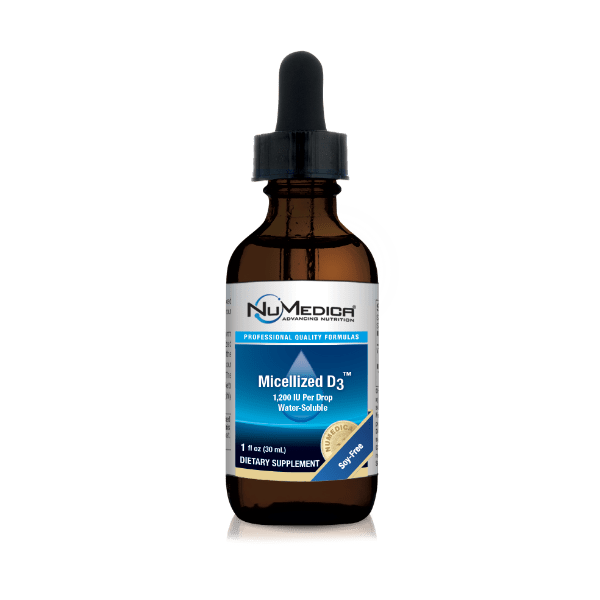
NuMedica Micellized D3 1200
Water-Soluble Vitamin D3 - 1200 IU Per Drop*
A micellized vitamin D3 liquid commonly used in routines related to flexible dosing and daily nutrient intake.*
Warning: Array to string conversion in /home/cdndelivery/public_html/php/show_project_brand_product.php on line 840
Array
-
Description*
NuMedica Micellized D3 provides vitamin D3 in a water-soluble micellized form designed for steady absorption and practical daily use. Each drop delivers 1,200 IU of vitamin D3 in a format that disperses easily in liquid and is gentle on the digestive system.
How micellized vitamin D works
Vitamin D3 is naturally fat-soluble, which means traditional oil-based formulas depend on digestive fats and enzymes for absorption. Micellization surrounds vitamin D3 with tiny droplets that mix readily with water, helping the nutrient move through the digestive tract more predictably. This process supports consistent uptake and may offer an easier experience for those who prefer liquid delivery or have challenges digesting fats.
The fully reacted micellized structure in this formula creates uniform droplets that remain stable in liquid. This allows the serving size to be adjusted one drop at a time, making it easier to personalize intake based on lifestyle, season, or clinical guidance.
Why vitamin D matters
Vitamin D supports several systems that contribute to day-to-day steadiness. It helps the body absorb calcium, supports muscle function, and plays a role in immune activity. These functions work together rather than in isolation, which is why vitamin D is often discussed in the context of overall resilience rather than a single health goal.
Sunlight, food, and supplements each play a role in maintaining comfortable vitamin D levels. Many adults find that seasonal changes, indoor lifestyles, or limited dietary sources make a supplemental form useful for keeping intake consistent. A deeper explanation of how vitamin D fits into daily wellness is available in our article on daily vitamin D needs and sources.
How this formula fits into a routine
Each drop provides a small, flexible serving that can be easily added to water or taken directly. This makes the formula suitable for adults who want a customizable option or who prefer to avoid swallowing pills. Because the drops disperse well, they can be used with meals at any time of day.
Vitamin D needs can vary based on sunlight exposure, age, body weight, and lifestyle. Some adults use a single daily drop for maintenance, while others adjust their routine seasonally. A clinician can help determine an intake strategy that aligns with individual goals and lab results.
Everyday support from vitamin D
Steady vitamin D status supports normal bone health, muscle function, and immune balance. These systems often respond best when vitamin D is paired with consistent whole-food eating, regular movement, and restorative sleep. A liquid micellized formula offers one practical way to help keep levels in a comfortable range throughout the year.
-
Features*
-
Directions
Product ServingSize NumberServings Directions Micellized D3 1200 UI
1 fl. oz.1 Drop 750 Adults take one drop (0.04 mL) once per day mixed in 1-2 oz. water or juice or as directed by your healthcare practitioner. Caution: Keep out of reach of children. Not recommended for children. -
Ingredients
Nutrient/Ingredient Amount % Daily ValueDV 1 Vitamin D3 (as cholecalciferol) (1,200 IU) Vitamin D3
Vitamin D3 is the bioactive form of vitamin D that enhances calcium absorption and bone health.
30 mcg One Drop (.04 ml) Contains:
1 The % Daily Value tells you how much a nutrient in a serving of food contributes to a daily diet. 2,000 calories a day is used for general nutrition advise. -
Questions*
 Questions
If you have a question not answered on this page, please consider submitting it in the Product Questions or Feedback section in the Discussion Forum below.
 How is micellized vitamin D different from standard vitamin D?
Micellized vitamin D is dispersed into tiny water-compatible droplets that support a more predictable absorption process compared to traditional oil-based forms. This format can be easier to tolerate and allows for flexible dosing.
How should I take NuMedica Micellized D3?
The drops may be taken directly or added to a small amount of liquid. Taking vitamin D with a meal that includes fat can support absorption, but the micellized format is designed to disperse well regardless of timing.
Can the serving size be adjusted?
Yes. Each drop provides approximately 1,200 IU, making it simple to adjust intake based on seasonal needs, clinician guidance, or personal preferences.
Is it helpful to test vitamin D levels?
Blood testing can clarify whether current intake is maintaining vitamin D within a comfortable range. A clinician can then recommend adjustments based on results, lifestyle, and health history.
-
Related Content*
Additional Resources
We encourage you to take advantage of these related Wellness Resources on our website.
 Bone Health and Supplementation for Seniors
Bone health becomes more important with age. Beyond structure and mobility, bones help regulate minerals and influence overall wellness. Seniors face unique challenges-declining density, hormonal shifts, and higher fracture risk-so a steady plan blends daily movement, nourishing foods, calm stress management, and targeted supplementation when appropriate.
How to Use Vitamin D3, Zinc, and Vitamin C in a Daily Wellness PlanPeople often hear about vitamin D3, zinc, and vitamin C whenever immune health comes up, but it is not always clear how these nutrients fit into an everyday wellness routine. Modern schedules, indoor work, and shifting stress levels can influence how much of each we get and how well our bodies use them. Understanding what these nutrients actually do, where they come from, and when supplements make sense can help you build a daily plan that feels steady rather than reactive.
Staying Healthy Through the Holiday SeasonSeasonal gatherings, travel, weather changes, and shifting routines place extra demands on the immune system. Energy, sleep, and nutrition patterns often change during these periods, and daylight exposure may drop sharply. Understanding how these factors influence immune resilience provides a steadier foundation for staying well, and a few supportive nutrients can help fill predictable gaps when life becomes less orderly.
Understanding the Difference Between Fat-Soluble and Water-Soluble VitaminsVitamins are micronutrients important in maintaining our overall health and well-being. They are required for various bodily functions, including immune support, energy production, and healthy appearance. There are two main categories of vitamins: fat-soluble and water-soluble. Learn the differences between these two categories and their significance.
Vitamin D and Mental HealthVitamin D is commonly known as the 'sunshine vitamin.' This is simply because, when exposed to the sun, our bodies produce the vitamin. Let's take a look at what the science shows about how this vital vitamin impacts our mental health.

Fatal error: Uncaught Error: Undefined constant "MEDIA_DIRECTORY" in /home/cdndelivery/public_html/includes/core.php:7324 Stack trace: #0 /home/cdndelivery/public_html/php/show_product_reviews.php(215): displayRatingStars('5', 'FA', '1X') #1 /home/cdndelivery/public_html/php/show_project_brand_product.php(1076): include_once('/home/cdndelive...') #2 /home/cdndelivery/public_html/product/index.php(13): require_once('/home/cdndelive...') #3 /home/cdndelivery/public_html/url-traffic-manager/index.php(201): include('/home/cdndelive...') #4 {main} thrown in /home/cdndelivery/public_html/includes/core.php on line 7324