 SlimFit Protein | NuMedica





SlimFit Protein
Chocolate & Vanilla
by NuMedica
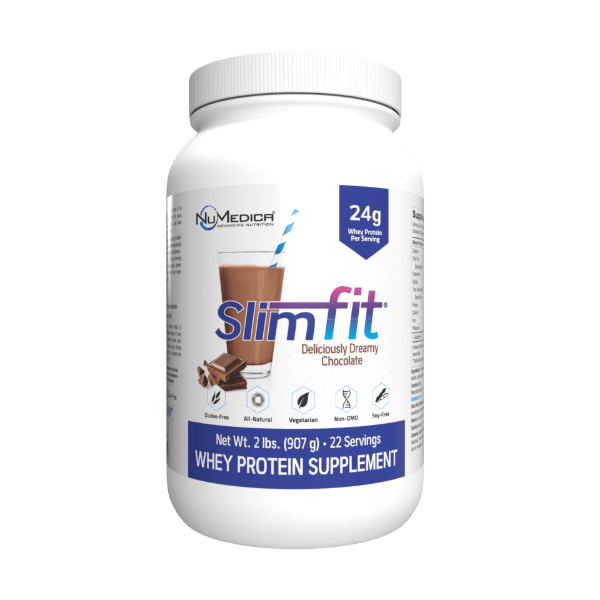
22 Servings
by NuMedica
Creamy Vanilla
21 Servings
NuMedica SlimFit Protein
Whey-based protein for everyday dietary use*
A whey-based protein formula commonly used in routines related to daily protein intake.*
Warning: Array to string conversion in /home/cdndelivery/public_html/php/show_project_brand_product.php on line 840
Array
22 Servings
by NuMedica
Creamy Vanilla
21 Servings
-
Description*
SlimFit is a whey-based protein drink mix formulated for adults who want a traditional dairy-derived protein option that fits into everyday routines. It provides 24 grams of protein per serving and is designed for regular use alongside meals and other foundational foods. The product emphasizes familiarity, tolerance, and repeatability rather than performance targeting or specialized dietary protocols. It is available in Chocolate and Vanilla.
Whey protein in a daily context
SlimFit is built around whey protein, a long-established protein source commonly used in drink mixes and meal-adjacent supplements. The formula uses a combination of whey protein isolate and concentrate to provide a complete amino acid profile within a moderate calorie range. Its role is additive, offering a dependable protein option when dietary intake varies from day to day. The emphasis is on consistency rather than short-term outcomes.
How the formula is structured
The protein base in SlimFit is produced using multiple processing approaches, including microfiltration, ion exchange, and enzymatic hydrolysis. These methods are commonly used in whey production to refine protein fractions and influence digestibility characteristics. The label also lists added L-glutamine, which is frequently included in whey-based protein products intended for routine use rather than single-ingredient supplementation.
Flavor options
SlimFit is offered in two flavors that share the same underlying formulation. Flavor selection reflects taste preference only and does not change the nutritional profile. Available options include Chocolate and Vanilla.
How SlimFit compares to plant-based protein options
Protein drink mixes are often evaluated based on protein source, tolerance, and overall simplicity. SlimFit is typically compared with plant-based protein products that provide a similar amount of protein per serving. The table below places SlimFit alongside a plant-based alternative to clarify differences in formulation approach and label-level nutrition.
Comparison of whey-based and plant-based protein drink mixes SlimFit Total Vegan Form Whey protein powder Plant-based protein powder Primary protein sources Whey isolate and concentrate blend Yellow pea, rice, hemp, chia, cranberry Protein per serving 24 g (1 scoop) 24 g (2 scoops) Calories per serving 160 160 Total carbohydrate 10 g 12 g Dietary fiber 1 g 4 g Sugar alcohol (xylitol) 4 g 2 g Estimated net carbohydrates 5 g 6 g Best fit Those who tolerate dairy and prefer whey protein Those preferring a fully plant-based protein source Who SlimFit is most appropriate for
SlimFit may be a practical option for adults who prefer a whey-based protein source and tolerate dairy well. It often fits into routines where protein intake needs support without introducing complex blends or condition-specific formulations. Personal dietary patterns, tolerance, and ingredient preferences typically guide whether a whey-based or plant-based protein is the better match.
-
Features*
-
Directions
Size: 22 Servings
Serving Size: 1 Scoop (42 g)
Servings Per Container: 22
Directions: Mix 1 scoop (42 grams) into 8-10 ounces of water once per day or as directed by your healthcare practitioner. To increase sweetness, use less water. To decrease sweetness, add more water.
-
Ingredients
Nutrient/Ingredient Amount % Daily ValueDV 1 Calories Calories
When people talk about the calories in food, what do they mean? A calorie is a unit of measurement—but it doesn't measure weight or length. A calorie is a unit of energy. When you hear something contains 100 calories, it's a way of describing how much energy your body could get from eating or drinking it.
KidsHealth from Nemours, https://kidshealth.org/en/kids/calorie.html
160 Total Fat Total Fat
This number on a food label indicates how much fat is in a single serving of a food. Limit total fat to less than 25% to 35% percent of the calories you consume each day. All fats have 9 calories per gram.
WebMD, https://www.webmd.com/food-recipes/definitions-glossary
2.5 g Saturated Fat Saturated Fat
Usually solid at room temperature, saturated fats are found in animal products such as meat and milk, as well as in coconut and palm oil. Saturated fat is often used in foods to prevent rancidity and off flavors. No more than 5% to 10% of your total daily calories should come from saturated fat.
WebMD, https://www.webmd.com/food-recipes/definitions-glossary
1 g One Scoop Contains:
Cholesterol Cholesterol
Vital for building hormones and cell membranes. Your body makes most of the cholesterol it needs. Cholesterol is listed under the fat information on a nutrition label.
WebMD, https://www.webmd.com/food-recipes/definitions-glossary
50 mg Sodium Sodium
While sodium (commonly called salt) is vital for healthy nerves and muscles, most of us get too much salt in our diet, often from processed foods. Read food labels to help keep your sodium intake to 2,300 milligrams a day or less. Persons 51 and older, African Americans, or people who have hypertension, diabetes or chronic kidney disease should limit sodium to 1500 milligrams daily.
WebMD, https://www.webmd.com/food-recipes/definitions-glossary
60 mg Total Carbohydrate Total Carbohydrate
This number on a food label indicates how many grams of carbohydrates are in a single serving of a food.
WebMD, https://www.webmd.com/food-recipes/definitions-glossary
10 g Dietary Fiber Dietary Fiber
Dietary Fiber supports digestive regularity, gut microbiome balance, and healthy blood sugar and cholesterol levels.
1 g Xylitol Xylitol
Xylitol is categorized as a sugar alcohol. Chemically, sugar alcohols combine traits of sugar molecules and alcohol molecules. Their structure allows them to stimulate the taste receptors for sweetness on your tongue. Xylitol is found in small amounts in many fruits and vegetables and is therefore considered natural. Humans even produce small quantities of it via normal metabolism.
https://www.healthline.com/nutrition/xylitol-101#what-it-is
4 g Protein Protein
Protein provides essential amino acids to support muscle repair, immune health, and overall metabolic function.
24 g Calcium Calcium
Calcium is an essential mineral needed for bone density, muscle contraction, nerve signaling, and overall structural support.
156 mg Iron Iron
Iron is a vital mineral for oxygen transport, energy production, and red blood cell formation. Essential for preventing fatigue and anemia.
1 mg Sodium Sodium
While sodium (commonly called salt) is vital for healthy nerves and muscles, most of us get too much salt in our diet, often from processed foods. Read food labels to help keep your sodium intake to 2,300 milligrams a day or less. Persons 51 and older, African Americans, or people who have hypertension, diabetes or chronic kidney disease should limit sodium to 1500 milligrams daily.
WebMD, https://www.webmd.com/food-recipes/definitions-glossary
55 mg Potassium Potassium
Potassium is an essential mineral that supports fluid balance, muscle contraction, and nerve transmission.
269 mg L-Glutamine L-Glutamine
L-Glutamine is a conditionally essential amino acid that supports gut health, muscle recovery, and immune function.
420 mg 1 The % Daily Value tells you how much a nutrient in a serving of food contributes to a daily diet. 2,000 calories a day is used for general nutrition advise. -
Questions*
 Questions
If you have a question not answered on this page, please consider submitting it in the Product Questions or Feedback section in the Discussion Forum below.
 What type of protein is used in SlimFit?
SlimFit uses a blend of whey protein isolate and whey protein concentrate. Whey is a dairy-derived protein that naturally contains all essential amino acids. The isolate and concentrate forms differ slightly in processing and composition but are commonly combined in protein drink mixes.
How much protein per serving?
One serving of SlimFit provides 24 grams of protein. The serving size listed on the label is one scoop. Changing the serving size will adjust protein, calorie, and macronutrient intake proportionally.
Is SlimFit intended to be used as a meal replacement?
SlimFit is not positioned as a meal replacement. It is designed to supplement dietary protein intake alongside meals or other foods when protein consumption varies. It does not provide the full range of nutrients typically associated with complete meals.
Does SlimFit contain carbohydrates or sweeteners?
The label lists total carbohydrates, including a small amount of fiber and xylitol. Xylitol is a sugar alcohol used to contribute sweetness and texture. Full carbohydrate details are provided on the Nutrition Facts panel.
Who typically chooses SlimFit instead of a plant-based protein?
SlimFit is often chosen by adults who tolerate dairy well and prefer a traditional whey-based protein source. Some individuals prefer whey for familiarity, taste, or digestive comfort, while others choose plant-based proteins for dietary or personal reasons.
-
Related Content*
Additional Resources
We encourage you to take advantage of these related Wellness Resources on our website.
 Creating and Maintaining Healthy, Sustainable Lifestyle Changes
Many of us grapple with chronic stress from financial woes, health issues, and strained relationships. This relentless stress impacts our well-being, making effective management essential. Imagine a life where stress doesn't dominate, healthy habits are seamlessly integrated, and you feel empowered to face challenges. This blog post explores practical, sustainable lifestyle changes to transform stress management, helping you build resilience and improve your quality of life. Discover how to set achievable goals, create supportive environments, and establish routines that promote lasting well-being.
Fuel Your Body Right: A Guide to Managing Blood SugarOne of the fundamental keys to developing optimal vitality lies in effectively controlling blood sugar levels. The impact of balanced blood sugar goes beyond energy levels and influences mood, concentration, and long-term health outcomes. Blood sugar control can be influenced by the combined effects of thermogenic fat burning, low glycemic index fruits, complex carbohydrates, and intermittent fasting - an understanding that can enable a holistic approach to caring for your body and maintaining your well-being.
Lifestyle Choices, Nutrition & Quality SupplementsThink back to the time of your great-grandparents. What types of food did people eat back then? For the most part they ate what they could grow on their land or what they got locally from a Farmer's market or some other community-based food supply. So what happened to our food? Why are so many of us sick, overweight and tired?
Quick Healthy SnacksToday I'd like to remind you that it's easy to do something healthy for yourself. Especially in the snacking department!
Shake Up Your LifestyleLooking for convenient, refreshing and healthy beverage options to quench your thirst and provide your body with the nutrients it needs for optimal performance?
Look no further. Try these NuMedica shake recipes that use whole natural foods in combination with their most popular professional wellness formulas.
Top Reasons to Avoid Diet Drinks - What the Research Actually ShowsMany people assume diet sodas are a smarter alternative to regular soft drinks, but growing research tells another story. Artificially sweetened beverages have been tied to higher risks of obesity, stroke, kidney decline, and cardiovascular problems. Even without sugar, their acidity can damage teeth and bone health, leaving you with concerns that go far beyond calories.

Fatal error: Uncaught Error: Undefined constant "MEDIA_DIRECTORY" in /home/cdndelivery/public_html/includes/core.php:7324 Stack trace: #0 /home/cdndelivery/public_html/php/show_product_reviews.php(215): displayRatingStars('5', 'FA', '1X') #1 /home/cdndelivery/public_html/php/show_project_brand_product.php(1076): include_once('/home/cdndelive...') #2 /home/cdndelivery/public_html/product/index.php(13): require_once('/home/cdndelive...') #3 /home/cdndelivery/public_html/url-traffic-manager/index.php(201): include('/home/cdndelive...') #4 {main} thrown in /home/cdndelivery/public_html/includes/core.php on line 7324