 NuMedica SlimFit Vanilla - High-Protein Whey Supplement





SlimFit Creamy Vanilla
21 Servings
by NuMedica
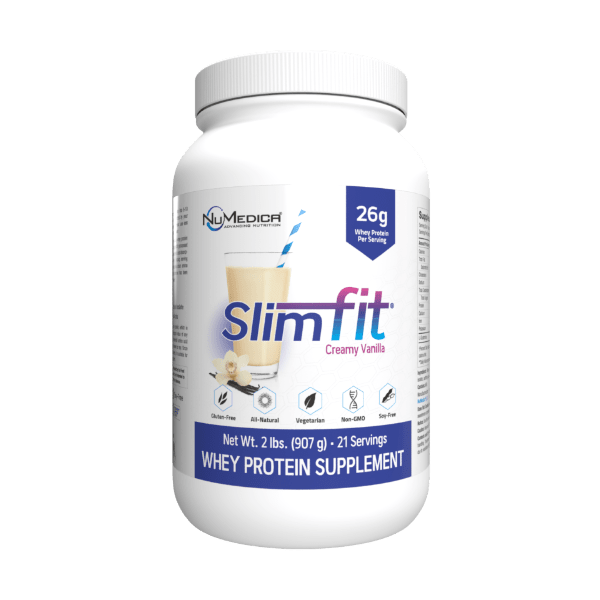
Creamy Vanilla
21 Servings
NuMedica SlimFit Creamy Vanilla
All-Natural Whey Protein Isolate/Concentrate Blend*
NuMedica SlimFit Vanilla provides 26g of whey protein per serving. Support weight management and muscle health with this delicious vanilla-flavored supplement.*
Warning: Array to string conversion in /home/cdndelivery/public_html/php/show_project_brand_product.php on line 840
Array
Creamy Vanilla
21 Servings
-
Description*
NuMedica SlimFit Vanilla - High-Protein Nutrition for Weight Management
NuMedica SlimFit Vanilla provides a smooth, classic vanilla flavor combined with 24 grams of high-quality whey protein per serving. Ideal for those seeking to support muscle health and manage weight, this supplement features a premium blend of whey protein isolate and concentrate to deliver maximum bioavailability and essential amino acids your body needs for optimal performance.
Why Choose NuMedica SlimFit Vanilla?
- High Protein Content: Delivers 24 grams of whey protein per serving to support muscle maintenance and recovery.
- Low Glycemic Index: Low in sugar and carbohydrates, making it ideal for those on restricted diets or managing blood sugar levels.
- Supports Weight Management: Helps reduce cravings and maintain lean muscle mass during weight loss programs.
- Enhanced Absorption: Made with microfiltered, ion-exchanged, and enzymatically hydrolyzed whey for improved nutrient absorption.
Key Benefits of NuMedica SlimFit Vanilla
NuMedica SlimFit Vanilla offers a range of health benefits, including:
- Muscle Support: Supports muscle growth and repair with high biological value protein.
- Immune Function: Contains bioactive milk proteins that support a healthy immune system.
- Amino Acid Rich: Provides essential and non-essential amino acids for overall health and wellbeing.
- Weight Management: Helps curb hunger and maintain muscle during weight management programs.
Enjoy the Smooth Vanilla Flavor
NuMedica SlimFit Vanilla offers a delicious vanilla flavor that pairs well with various fruits and mix-ins. It's an enjoyable way to boost your protein intake while supporting your health and fitness goals.
How to Use NuMedica SlimFit Vanilla
Mix one scoop of NuMedica SlimFit Vanilla with 8-10 ounces of water, milk, or your favorite beverage. Enjoy it as a meal replacement, post-workout recovery shake, or anytime snack to meet your protein needs. For best results, combine it with a balanced diet and regular exercise.
-
Features*
-
Directions
Size: 21 Servings
Serving Size: 1 Scoop (43 g)
Servings Per Container: 21
Directions: Stir or blend 1 scoop (43 grams) into 8-10 ounces of water once per day or as directed by your healthcare practitioner. To increase sweetness, use less water. To decrease sweetness, add more water.
-
Ingredients
Nutrient/Ingredient Amount % Daily ValueDV 1 Calories Calories
When people talk about the calories in food, what do they mean? A calorie is a unit of measurement—but it doesn't measure weight or length. A calorie is a unit of energy. When you hear something contains 100 calories, it's a way of describing how much energy your body could get from eating or drinking it.
KidsHealth from Nemours, https://kidshealth.org/en/kids/calorie.html
160 One Scoop Contains:
Total Fat Total Fat
This number on a food label indicates how much fat is in a single serving of a food. Limit total fat to less than 25% to 35% percent of the calories you consume each day. All fats have 9 calories per gram.
WebMD, https://www.webmd.com/food-recipes/definitions-glossary
2 g Saturated Fat Saturated Fat
Usually solid at room temperature, saturated fats are found in animal products such as meat and milk, as well as in coconut and palm oil. Saturated fat is often used in foods to prevent rancidity and off flavors. No more than 5% to 10% of your total daily calories should come from saturated fat.
WebMD, https://www.webmd.com/food-recipes/definitions-glossary
1 g Cholesterol Cholesterol
Vital for building hormones and cell membranes. Your body makes most of the cholesterol it needs. Cholesterol is listed under the fat information on a nutrition label.
WebMD, https://www.webmd.com/food-recipes/definitions-glossary
55 mg Sodium Sodium
While sodium (commonly called salt) is vital for healthy nerves and muscles, most of us get too much salt in our diet, often from processed foods. Read food labels to help keep your sodium intake to 2,300 milligrams a day or less. Persons 51 and older, African Americans, or people who have hypertension, diabetes or chronic kidney disease should limit sodium to 1500 milligrams daily.
WebMD, https://www.webmd.com/food-recipes/definitions-glossary
60 mg Total Carbohydrate Total Carbohydrate
This number on a food label indicates how many grams of carbohydrates are in a single serving of a food.
WebMD, https://www.webmd.com/food-recipes/definitions-glossary
8 g Total Sugars Total Sugars
This section of the nutrition label lists added and natural sugars separately. Added sugars include sucrose, glucose, fructose, and corn and maple syrups. Natural sugars include lactose in milk and fructose in fruit. If you are concerned about your intake of sugar, be sure added sugars are not one of the first few items in a food's ingredients list.
WebMD, https://www.webmd.com/food-recipes/definitions-glossary
2 g Protein Protein
Protein provides essential amino acids to support muscle repair, immune health, and overall metabolic function.
26 g Calcium Calcium
Calcium is an essential mineral needed for bone density, muscle contraction, nerve signaling, and overall structural support.
179 mg Iron Iron
Iron is a vital mineral for oxygen transport, energy production, and red blood cell formation. Essential for preventing fatigue and anemia.
0.5 mg L-Glutamine L-Glutamine
L-Glutamine is a conditionally essential amino acid that supports gut health, muscle recovery, and immune function.
460 mg 1 The % Daily Value tells you how much a nutrient in a serving of food contributes to a daily diet. 2,000 calories a day is used for general nutrition advise. -
Related Content*
 Additional Resources
We encourage you to take advantage of these related Wellness Resources on our website.
 Creating and Maintaining Healthy, Sustainable Lifestyle Changes
Many of us grapple with chronic stress from financial woes, health issues, and strained relationships. This relentless stress impacts our well-being, making effective management essential. Imagine a life where stress doesn't dominate, healthy habits are seamlessly integrated, and you feel empowered to face challenges. This blog post explores practical, sustainable lifestyle changes to transform stress management, helping you build resilience and improve your quality of life. Discover how to set achievable goals, create supportive environments, and establish routines that promote lasting well-being.
Fuel Your Body Right: A Guide to Managing Blood SugarOne of the fundamental keys to developing optimal vitality lies in effectively controlling blood sugar levels. The impact of balanced blood sugar goes beyond energy levels and influences mood, concentration, and long-term health outcomes. Blood sugar control can be influenced by the combined effects of thermogenic fat burning, low glycemic index fruits, complex carbohydrates, and intermittent fasting - an understanding that can enable a holistic approach to caring for your body and maintaining your well-being.
Lifestyle Choices, Nutrition & Quality SupplementsThink back to the time of your great-grandparents. What types of food did people eat back then? For the most part they ate what they could grow on their land or what they got locally from a Farmer's market or some other community-based food supply. So what happened to our food? Why are so many of us sick, overweight and tired?
Quick Healthy SnacksToday I'd like to remind you that it's easy to do something healthy for yourself. Especially in the snacking department!
Shake Up Your LifestyleLooking for convenient, refreshing and healthy beverage options to quench your thirst and provide your body with the nutrients it needs for optimal performance?
Look no further. Try these NuMedica shake recipes that use whole natural foods in combination with their most popular professional wellness formulas.
Top Reasons to Avoid Diet Drinks - What the Research Actually ShowsMany people assume diet sodas are a smarter alternative to regular soft drinks, but growing research tells another story. Artificially sweetened beverages have been tied to higher risks of obesity, stroke, kidney decline, and cardiovascular problems. Even without sugar, their acidity can damage teeth and bone health, leaving you with concerns that go far beyond calories.

Fatal error: Uncaught Error: Undefined constant "MEDIA_DIRECTORY" in /home/cdndelivery/public_html/includes/core.php:7324 Stack trace: #0 /home/cdndelivery/public_html/php/show_product_reviews.php(215): displayRatingStars('5', 'FA', '1X') #1 /home/cdndelivery/public_html/php/show_project_brand_product.php(1076): include_once('/home/cdndelive...') #2 /home/cdndelivery/public_html/product/index.php(13): require_once('/home/cdndelive...') #3 /home/cdndelivery/public_html/url-traffic-manager/index.php(201): include('/home/cdndelive...') #4 {main} thrown in /home/cdndelivery/public_html/includes/core.php on line 7324